

01Planning
Westminster, Westminster City Council
Heritage statements for houses in Westminster
Westminster tells applicants exactly what a heritage statement must say: the significance of the building, the effect of the works, whether that effect is positive, neutral or harmful, and a full justification for any harm. We write to those four tests, in that order, for Belgravia, Mayfair, Marylebone and the rest of the borough. From £655, fixed before we start.
From £655
- MCIAT chartered architectural technologists
- £2m professional indemnity insurance
- LABC Partnered
- ICO registered
Our fee for heritage statement: from £655, no VAT to add. Covered in full, with its own guide and fee, at fixedfeeplans.co.uk.
02The fee
One fixed fee, published
What you get
- A reading of the list entry and the conservation area for your address
- A statement built on the council's four tests: significance, impact, level of harm, justification
- Photographs of the fabric your works touch, keyed to the drawings
- A schedule of works where the application is for listed building consent
- A PDF that stands alone or sits inside the design and access statement
- Amendments the case officer requests are made free of charge until the council approves
Council application fees go to the council and are never part of ours. Listed building consent is a separate application from planning permission, and we can prepare both together.
03How it runs
Westminster's four tests, in order
56
Conservation areas the national planning data lists for Westminster City Council. Source: planning.data.gov.uk
04Planning
What Westminster asks for, and when
The council's heritage statements page says its local validation requirements call for a statement whenever a heritage asset or its setting is affected. It names every application for works to a listed building, development in a conservation area, and development in or near a registered park or garden or the Westminster World Heritage Site.
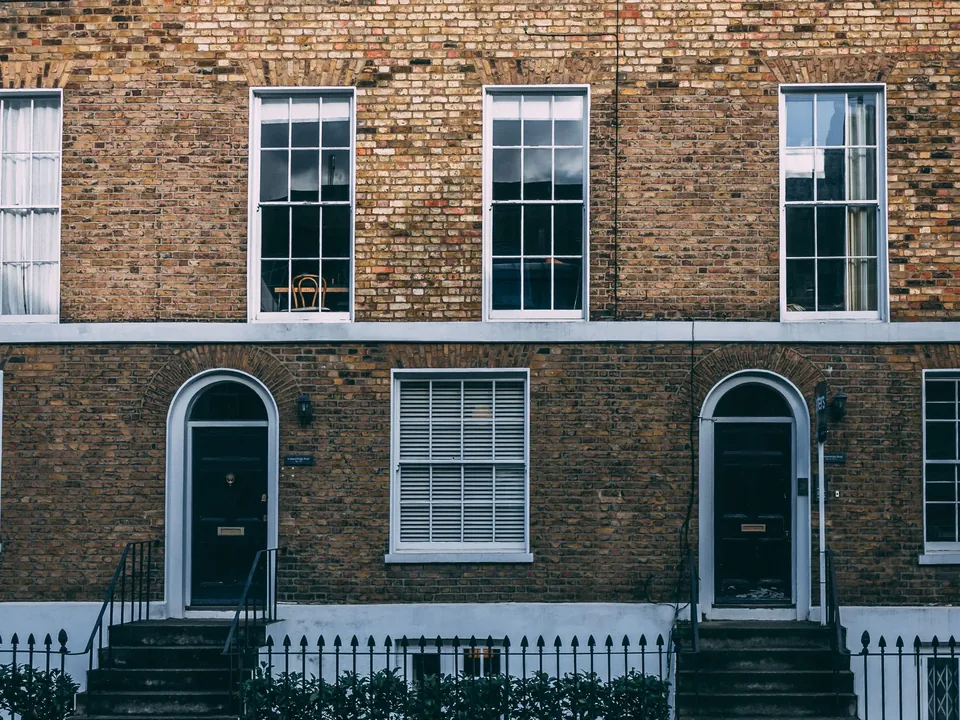
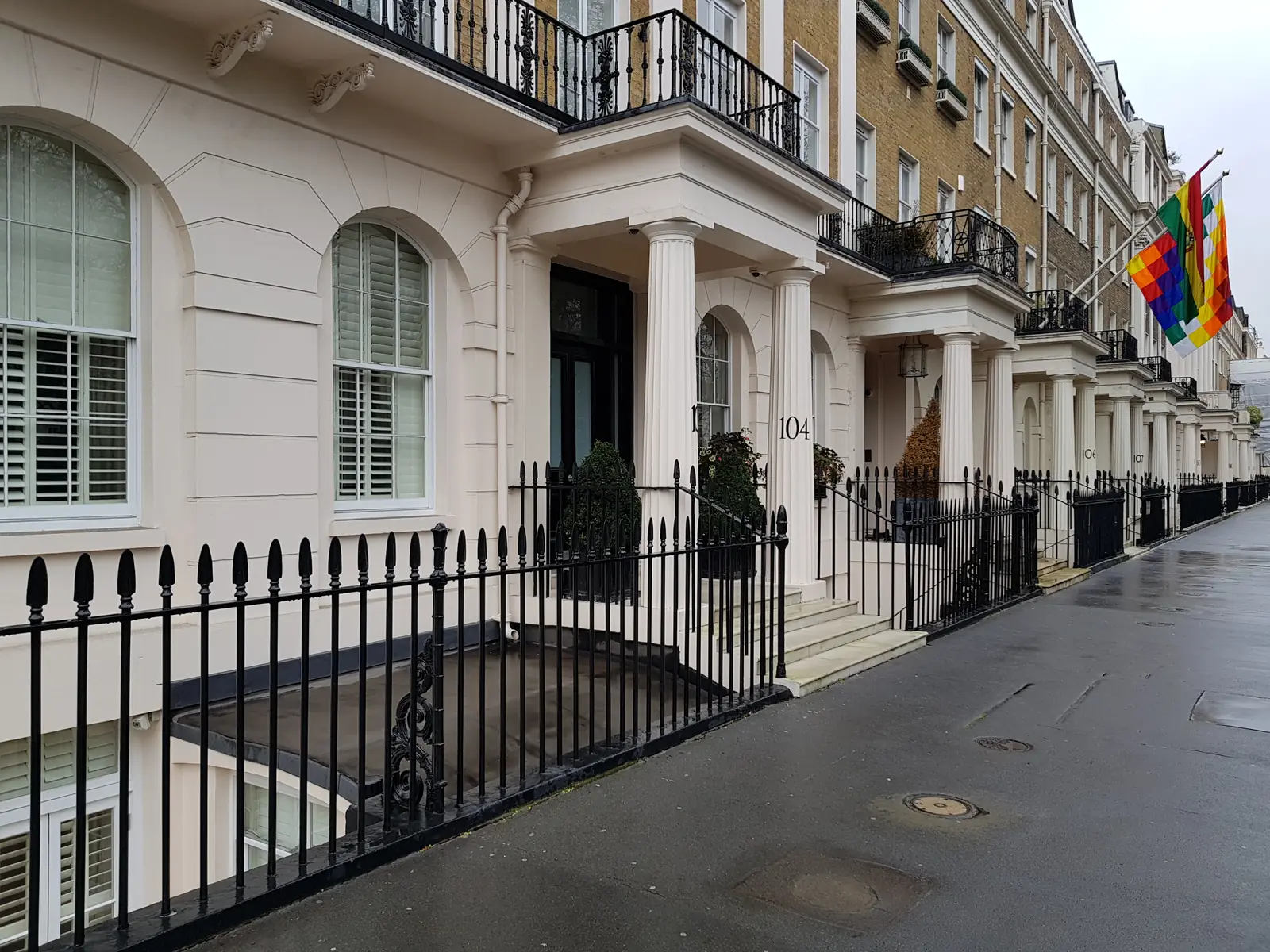
The borough is large enough for that to matter. The national planning data lists 56 conservation areas inside Westminster and 4,015 list entries, so a house on a Belgravia square, a Marylebone side street or a Maida Vale avenue often meets one test or the other.
05Planning
A template that is behind the policy
Westminster publishes a Word template to guide applicants. The page itself warns that the template still refers to the old City Plan policy numbers and is being updated, which is a trap for anyone who fills it in as it stands: the statement then cites policies the officer no longer applies.
We do not start from the template. We start from the four requirements printed on the page and from the statutory tests in sections 66 and 72 of the Planning (Listed Buildings and Conservation Areas) Act 1990, then cite whatever policy the council is using on the day we file.
06Planning
Less complex jobs, and the cases that are not
For a less complex case the council accepts the statement as a section inside the design and access statement. That suits a rear dormer on an unlisted house in a conservation area, where the significance is the character of the street and the harm question is short.
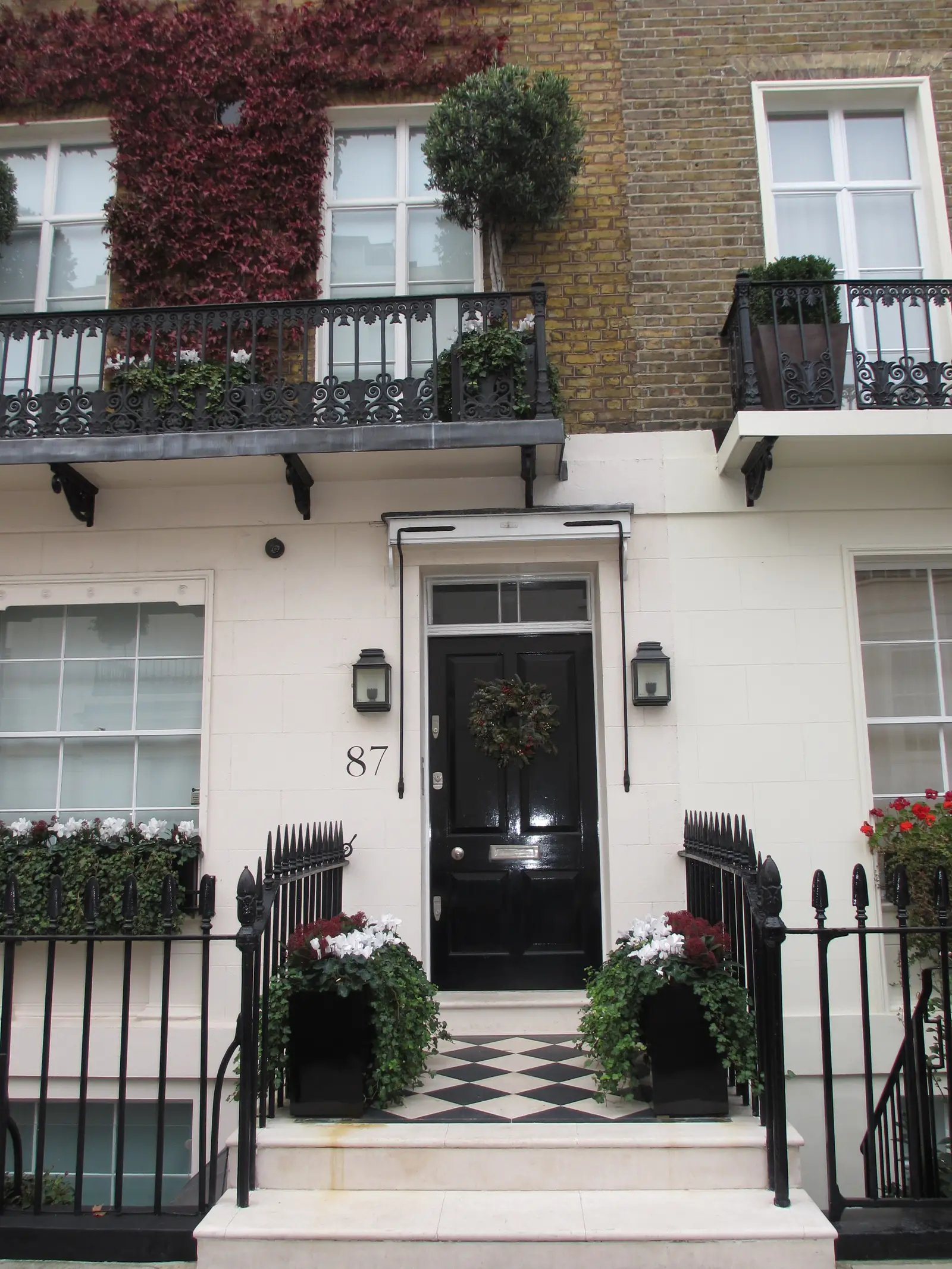
A listed house is different. The statement has to carry its own weight, with a schedule of works, photographs of the historic fabric and a plain statement of any harm. If your scheme sits near the World Heritage Site, the council also asks for a separate heritage impact assessment in line with the 2022 UNESCO guidance, and its own guidance for that is being updated too. We say at quote stage which of these your address triggers, so the fixed fee covers the real job.
07Planning
Where a statement sits next to the drawings
A Westminster officer reads the statement against the elevations, so the two have to agree. We draw the existing house first, photograph the fabric your works touch, and write the statement from those sheets, which is why most clients take both from us. If another firm drew your plans, send them and we write to the sheets as they stand.
This site has its own pages for listed building consent in Westminster and for mansard roofs in Westminster. The statement is the part that tells the officer why the change is acceptable.
08The record
Figures that shape the job
56
Conservation areas the national planning data lists for Westminster City Council.
Source: planning.data.gov.uk, conservation-area dataset, checked 25 Oct 2026
4,015
Historic England list entries inside the Westminster planning boundary.
Source: planning.data.gov.uk, listed-building dataset, checked 25 Oct 2026
4 tests
The council's page sets four things a statement must do: explain significance, explain the impact, say whether the effect is positive, neutral, harmful or a total loss, and justify any harm.
Source: Westminster City Council, Heritage statements (page updated 5 August 2026), checked 25 Oct 2026
2022
The UNESCO guidance a World Heritage Site heritage impact assessment must follow, according to the same council page.
Source: Westminster City Council, Heritage statements, checked 25 Oct 2026
s.72
The duty to pay special attention to preserving or enhancing the character or appearance of a conservation area.
Source: Planning (Listed Buildings and Conservation Areas) Act 1990, section 72, checked 25 Oct 2026
s.66
The duty to have special regard to preserving a listed building, its setting and its features of special interest.
Source: Planning (Listed Buildings and Conservation Areas) Act 1990, section 66, checked 25 Oct 2026
HE5
National policy asks for an assessment of the significance of the assets affected.
Source: National Planning Policy Framework, chapter 20, checked 25 Oct 2026
09Questions
What clients ask before they instruct us
Does a house in a Westminster conservation area always need a heritage statement?
The council's page says its validation requirements call for one for development in a conservation area, and allows it to be a section of the design and access statement for less complex cases. We confirm the wording for your application type before quoting, so you know whether it is a short section or a full document.
Can I use Westminster's own template?
You can, but the council says the template still uses old City Plan policy numbers while it is revised. We write from the four requirements on the page and add the policy references the officer is applying now.
My house is near the Westminster World Heritage Site. Is that a bigger job?
It can be. If the scheme could affect the site's Outstanding Universal Value, the council asks for a heritage impact assessment as well, prepared to the 2022 UNESCO guidance. We tell you at quote stage whether your address is likely to trigger it.
Do you also draw the plans?
Yes, and most clients take both, because the statement is written from the same survey and photographs. A statement on its own is a fixed £655 from us as well.
10Boroughs
The same service in other boroughs
11Related
Related services and guides
Send us the address of your house.
We look up the conservation area, listing and Article 4 position, then reply with a fixed fee. A message before 3pm is answered the same working day.