

01Planning
Retrospective planning for work already built
A dormer, an extension or a conversion built without permission can still be put right: the law lets a council grant permission after the event. We survey what stands, draw it exactly as built and make the case. From £845, fixed before we start.
From £845 inc survey (£645 if you supply measured drawings)
- MCIAT chartered architectural technologists
- £2m professional indemnity insurance
- LABC Partnered
- ICO registered
02The fee
One fixed fee, published
Retrospective planning application
from £845
inc survey (£645 if you supply measured drawings). No VAT to add.
Ask for your fixed feeWhat you get
- Our measured survey of the work as built, part of the fee shown
- A frank view of whether the council is likely to accept it, before you pay for the application
- As-built plans, elevations and sections, with the original house shown in outline
- Forms, ownership certificate and a statement written for an officer, not a builder
- Submission and replies to the planning officer; changes redrawn free until approval
The council charges the normal application fee, £548 for a house; it is paid to the council, not to us. Our fee carries no VAT to add.
03How it runs
Putting built work on the record
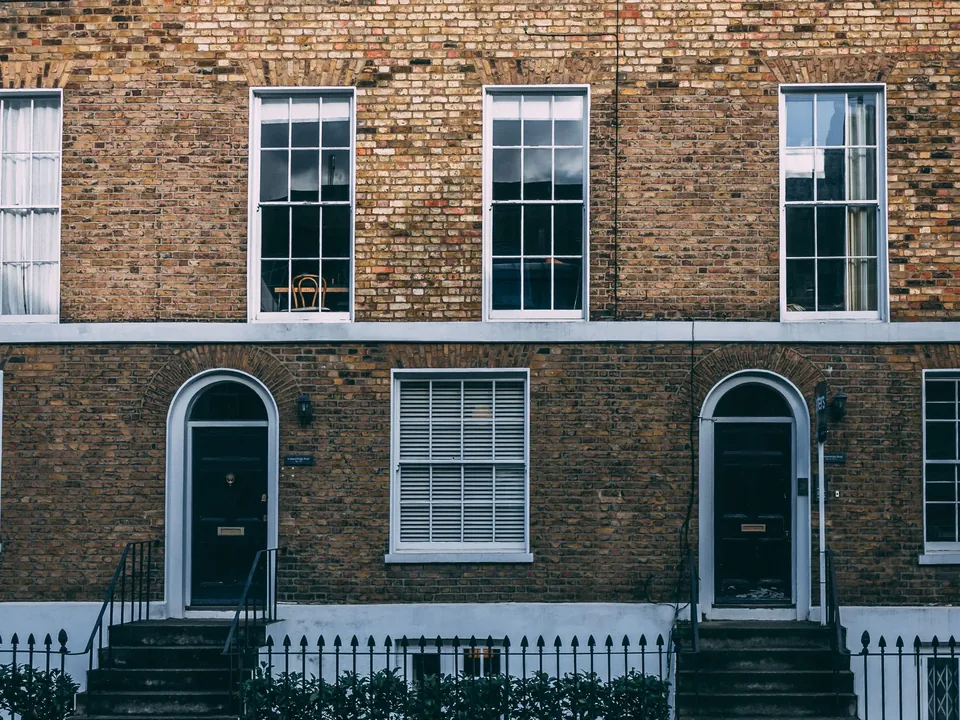
s73A
The Act allows permission for development already carried out, or carried out without complying with a condition. Source: legislation.gov.uk
04Planning
The law lets you apply after the work is done
Planning permission may be granted for development already carried out without permission, or without complying with a condition. The test is the same as for an application made in advance: is the work acceptable in itself and in its setting? Being built already does not count against it, and the application is made on the ordinary form.
Where the building is a flat, a listed house or in a conservation area, the bar is higher and the heritage case counts for more. National policy also says evidence that harm was done on purpose should be given substantial weight, so a plain, honest account of how the work came to be built helps more than an argument about whether it should have been.
05Planning
The ten-year clock, and why not to wait
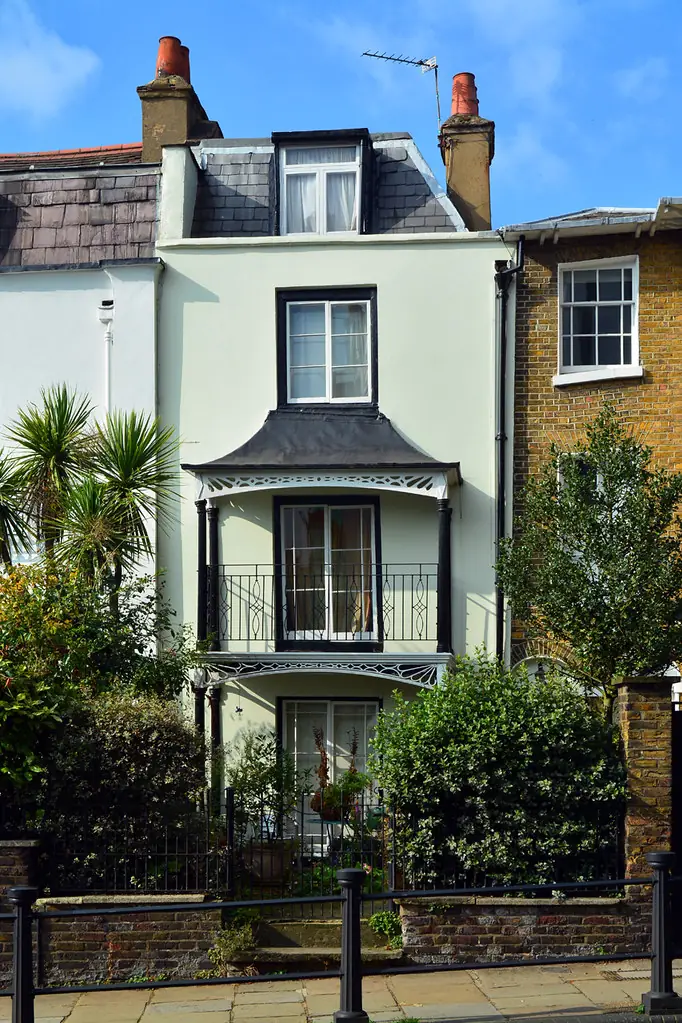
A council may take enforcement action against most unauthorised building work for ten years, after the law changed in April 2024. Waiting for the period to run is a gamble that a surveyor on a house sale, or an unhappy neighbour, will not get there first.
A council may also decline to determine an application covering matters that are already the subject of an enforcement notice, so an application made after a notice may not even be heard. Applying early, before any notice, is the cleaner course; we can draw it from a survey in about the usual seven days.
06Planning
If the council says no
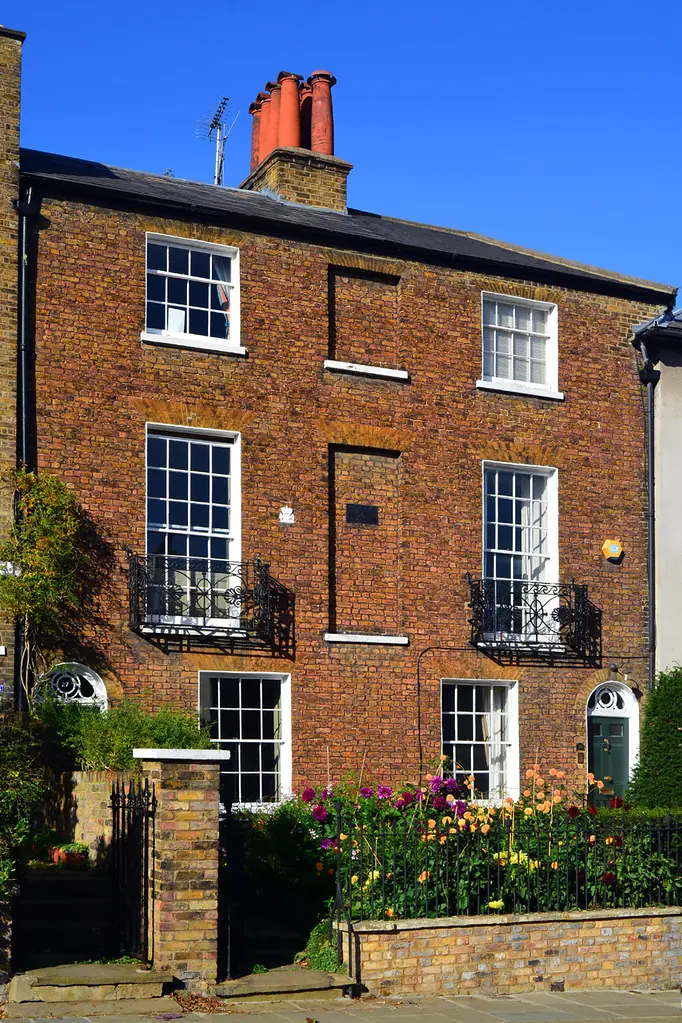
A refusal is not the end. A householder appeal must be made within 12 weeks of the decision notice, and the same as-built drawings go to the Planning Inspectorate. If the refusal turns on one feature, such as a window or a height, we can also offer a revised scheme that takes it away.
We will tell you before you commit which outcome looks likely. If the answer is that the work should come down in part, that is worth knowing before the fee is spent, and our planning appeal service is priced and published should you want one.
07The record
Figures that shape the job
s73A
The Act allows permission for development already carried out, or carried out without complying with a condition.
Source: Town and Country Planning Act 1990, section 73A, checked 17 Oct 2026
10 years
Time limit for enforcement against most unauthorised building work, in force from 25 April 2024.
Source: Town and Country Planning Act 1990, section 171B, checked 17 Oct 2026
s70C
A council may decline to determine an application that covers matters in an earlier enforcement notice.
Source: Town and Country Planning Act 1990, section 70C, checked 17 Oct 2026
Substantial
Weight that national policy says to give to evidence that unauthorised development was done intentionally.
Source: National Planning Policy Framework, August 2026, checked 15 Oct 2026
£548
National householder application fee, from 1 April 2026.
Source: Ribble Valley Borough Council, national fee table from 1 April 2026, checked 17 Oct 2026
8 weeks
Time a council has to decide a non-major application once it is valid.
Source: Development Management Procedure Order 2015, article 34, checked 15 Oct 2026
12 weeks
Time allowed to appeal a refused householder application, from the date of the decision notice.
Source: Development Management Procedure Order 2015, article 37, checked 15 Oct 2026
08Questions
What clients ask before they instruct us
Will the council make me demolish what I built?
Not necessarily. Many councils grant permission for work that is acceptable on its merits. If part is not, they can ask for that part to be altered, and we say early whether that is a risk for your case.
I bought a house with an extension that has no paperwork. What now?
A buyer inherits the problem. We survey the work, and if it is old enough a different certificate route may fit; if not, a retrospective application puts it on the record. Either way a solicitor will want the paper.
Does the fee cover the council's charge?
No. Our fee starts at £845 with no VAT to add; the council's application fee is paid to the council.
Can you apply in my name or the builder's?
The applicant is the owner. We act as your agent and are happy to speak to the officer on your behalf once you have signed our authority form.
What if the work is in a conservation area or listed?
Listed work needs a separate consent, and unauthorised work to a listed building is a criminal matter. See listed building consent drawings and speak to us before you do anything else.
09Related
Related services and guides
Send us the address of your house.
We look up the conservation area, listing and Article 4 position, then reply with a fixed fee. A message before 3pm is answered the same working day.