
01Specialist reports
Flood risk assessments for London planning applications
If your house stands in flood zone 2 or 3, the council wants proof that your extension or basement will be safe for the people in it and will not make flooding worse elsewhere. We write the assessment, sized to the job. From £435, fixed before we start.
From £435
- MCIAT chartered architectural technologists
- £2m professional indemnity insurance
- LABC Partnered
- ICO registered
Our fee for flood risk assessment: from £435, no VAT to add. Covered in full, with its own guide and fee, at fixedfeeplans.co.uk.
02The fee
One fixed fee, published
What you get
- A check of your site against the Environment Agency's flood map for planning
- A site-specific assessment, short for a householder extension and fuller for a basement
- Floor levels, flood resilience measures and a safe escape route set out
- A section of the document written for the officer, with the policy tests named
- A PDF ready to upload, with changes made if the council or the agency asks
A householder extension in a flood zone needs a shorter assessment, which the fee covers; larger or basement schemes are confirmed in writing first. Our fee carries no VAT to add.
03How it runs
From the flood map to a safe scheme
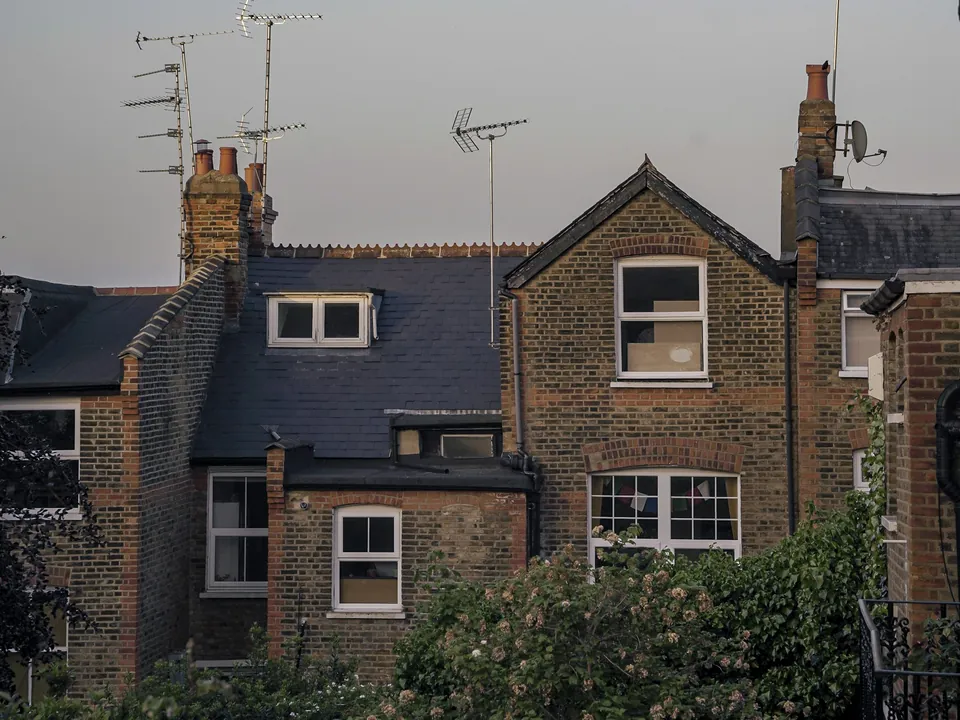
Zones 2 and 3
River and sea flood risk is principally land within flood zones 2 and 3. Source: gov.uk
04Specialist reports
When the council asks for one
River and sea flood risk is principally land in flood zones 2 and 3, and national guidance asks for a site-specific assessment where the policy requires one. That includes minor extensions: the guidance says they should still provide an assessment, but that a shorter, simpler one is likely to be enough in most such cases.
As a minimum the assessment must show the development will be safe for its users. It also recommends that an extension fit with any flood protection the property already has, and include flood resilience measures. Land in flood zone 1 can also be affected where the Environment Agency has flagged critical drainage problems.

05Specialist reports
A basement changes the sums
A new basement or a lowered floor is the most flood-sensitive thing you can add to a house. The assessment looks at groundwater, sewer flooding and surface water, as well as the river, and the safe escape route has to work when the lower floors cannot be used.
Many councils also ask for a separate basement impact assessment on top. We coordinate both with your basement conversion drawings, so the sections, the tanking and the pumped drainage appear once and agree.
06Specialist reports
Resilience is cheap if designed in
Most of what makes a house resilient costs little at drawing stage: floor levels set above flood level, sockets raised, solid floors with a waterproof finish, doors that can take a flood board. Retrofitting the same after a flood is dearer and slower.
We write the measures into the drawings and the specification, so your builder prices them at tender, and the assessment cites them as part of the scheme. See planning drawings for the set they sit in.
07The record
Figures that shape the job
Zones 2 and 3
River and sea flood risk is principally land within flood zones 2 and 3.
Source: Planning Practice Guidance, Flood risk and coastal change, paragraph 001, checked 25 Oct 2026
Minor works
Minor extensions should still provide a site-specific flood risk assessment, though a shorter, simpler one is likely to suffice.
Source: Planning Practice Guidance, Flood risk and coastal change, paragraph 051, checked 25 Oct 2026
Safe
At a minimum the assessment must show that the development will be safe for its users.
Source: Planning Practice Guidance, Flood risk and coastal change, paragraph 051, checked 25 Oct 2026
Resilience
Extensions are advised to conform to existing flood protection and to include flood resilience measures.
Source: Planning Practice Guidance, Flood risk and coastal change, paragraph 051, checked 25 Oct 2026
Zone 1 too
Land in flood zone 1 that the Environment Agency has flagged for critical drainage problems is also covered.
Source: Planning Practice Guidance, Flood risk and coastal change, paragraph 001, checked 25 Oct 2026
£548
What the council charges to decide a householder application, from 1 April 2026.
Source: Ribble Valley Borough Council, national fee table from 1 April 2026, checked 17 Oct 2026
08Questions
What clients ask before they instruct us
How do I know if I am in a flood zone?
The Environment Agency's flood map for planning shows the zones by address. We check it for you in the free constraints check and say whether an assessment is likely.
Does every extension in a flood zone need one?
The guidance says minor extensions should provide one, but a short one is usually enough. Your council's local list says what it needs, and we check it.
What does it cost?
From £435 with no VAT to add. A basement or a larger scheme is confirmed in writing before you commit.
Will the assessment stop my extension?
It rarely stops a householder scheme. It shows how the design stays safe, and where it cannot, it says so early so you can change course.
Is it the same as a basement impact assessment?
No. Flood risk covers water, while a basement impact assessment covers the structure and ground. A basement often needs both; see basement conversion drawings.
09Related
Related services and guides

Send us the address of your house.
We look up the conservation area, listing and Article 4 position, then reply with a fixed fee. A message before 3pm is answered the same working day.