
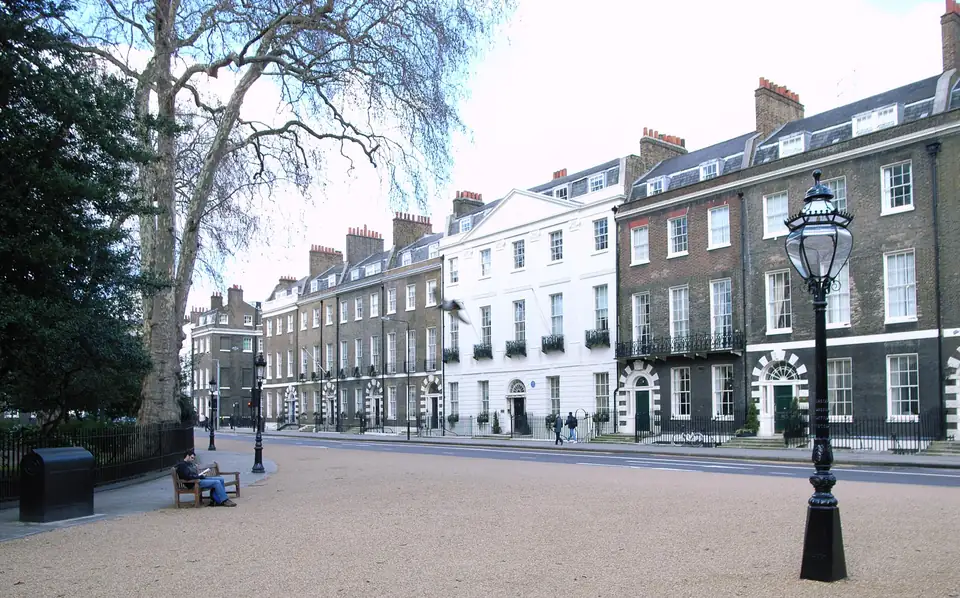
01Planning
Heritage statements for London's listed and period houses
A heritage statement tells the council what matters about your building and why your change respects it. We research the list entry and the conservation area appraisal, then write the case in the order the officer reads it. From £655, fixed before we start.
From £655
- MCIAT chartered architectural technologists
- £2m professional indemnity insurance
- LABC Partnered
- ICO registered
Our fee for heritage statement: from £655, no VAT to add. Covered in full, with its own guide and fee, at fixedfeeplans.co.uk.
02The fee
One fixed fee, published
What you get
- A reading of the list entry, or the conservation area appraisal, for your address
- A statement of significance for the parts of the building your scheme touches
- An assessment of the effect of the works, element by element
- Photographs of the existing fabric, keyed to your drawings
- A PDF ready to upload with your application
- Changes the officer asks for, at no charge until approval
A listed building consent application has no council fee. A householder planning application in a conservation area pays the council's normal fee, which goes to the council, not to us.
03How it runs
From the list entry to the officer's desk
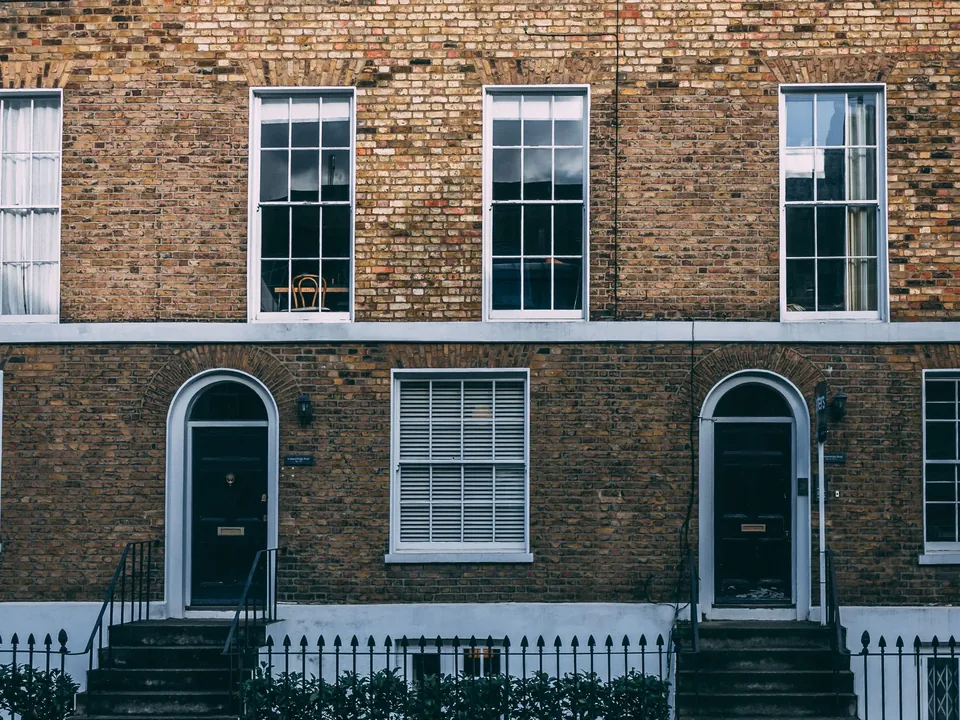
HE5
The national policy that asks applicants to describe the significance of any heritage asset affected, including its setting, in proportion to its importance. Source: gov.uk
04Planning
When the council asks for one
National policy asks every applicant whose proposal affects a heritage asset to describe its significance, including what its setting contributes, in proportion to how important the asset is. In practice that means a heritage statement goes with every listed building consent application and with most householder applications on a street inside a conservation area.
Councils put the rule into their validation lists, so a missing or thin statement is one of the quickest ways for an application to be returned before anyone looks at the design. On a Belgravia mews, a Camden square or a Chelsea terrace, the officer expects to see the building understood before the change is argued.
05Planning
Significance first, then the change
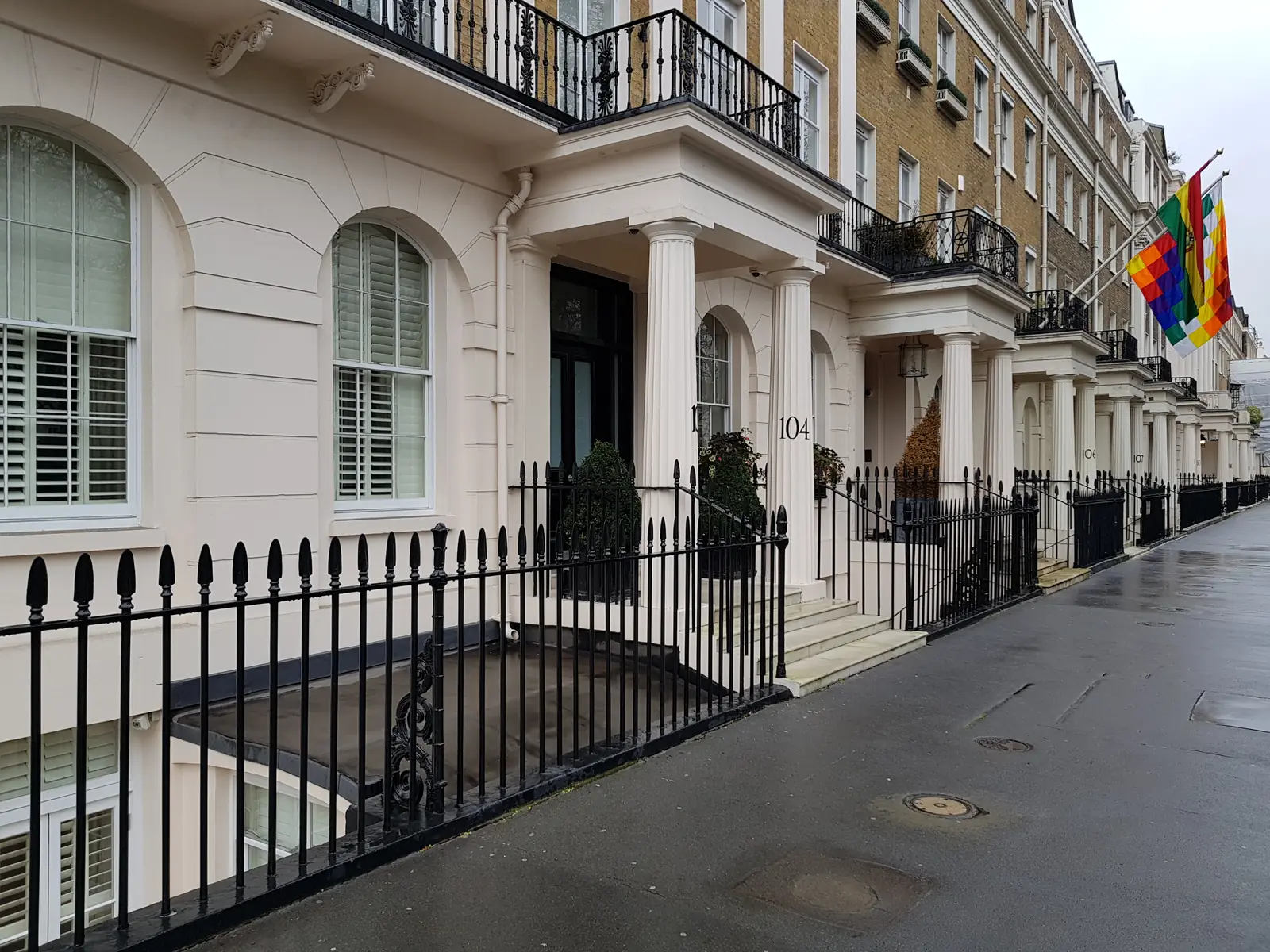
We start with the official record. For a listed building that is the Historic England list entry, which names what was thought special when it was listed; for an unlisted house it is the council's conservation area appraisal, which says what gives the street its character. Neither tells the whole story, so we photograph the fabric your works touch: the roof slopes, the rear elevation, the plan form of the principal rooms.
The impact section then walks through the proposal element by element. A new rear dormer, a replaced sash, an opened-up basement: each is set against what the record and the building say matters, with the reasons the change is acceptable or the ways it has been designed to sit back. That is the reading listed building consent drawings and mansard roof drawings depend on.
06Planning
Bought on its own, or inside a drawings package
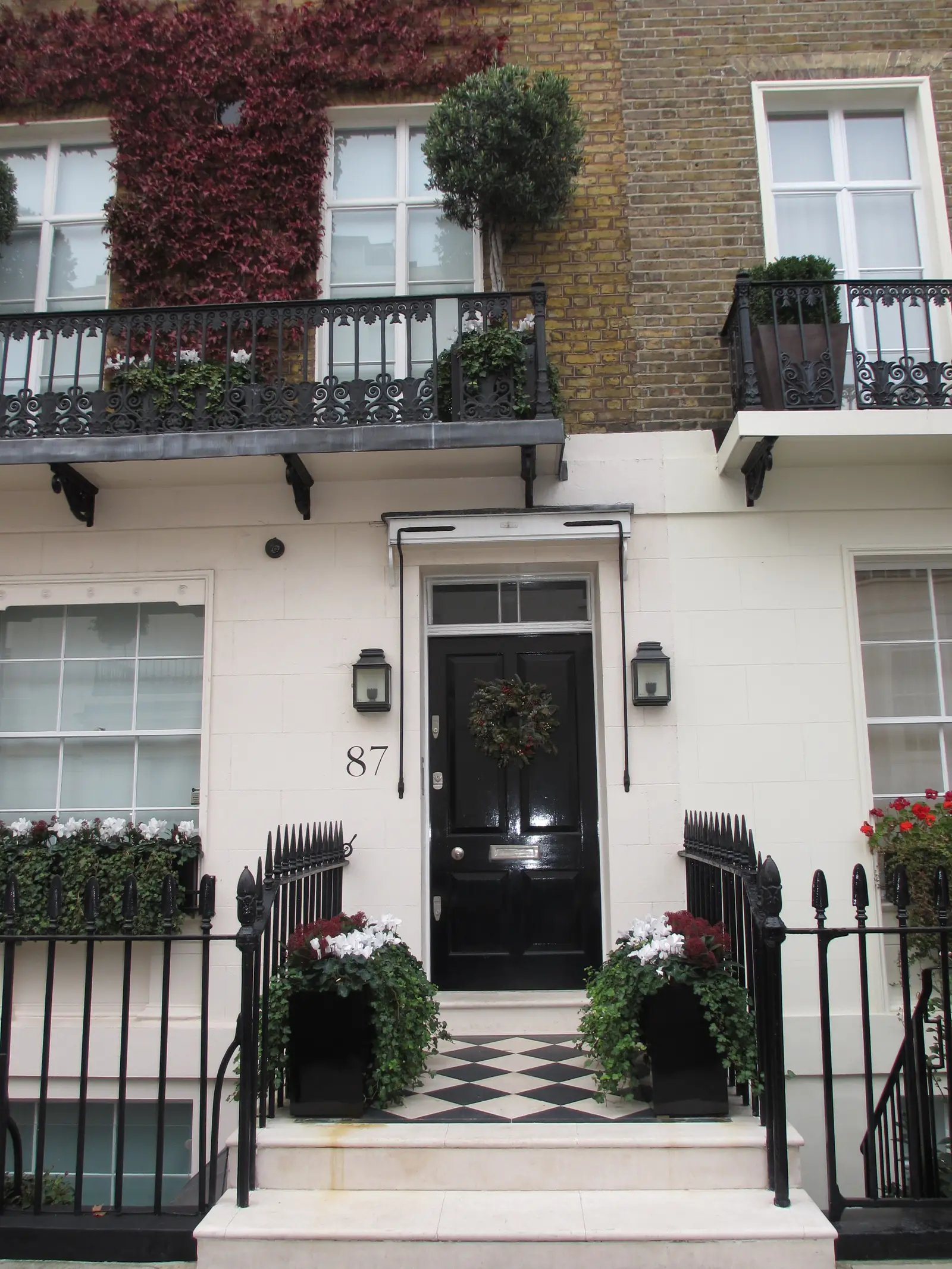
If you already have drawings from another designer, the statement is £655 on its own and we write it to match the sheets you send. If we are drawing the scheme, the statement is written alongside the drawings and the two are checked together, so the photographs, the plan labels and the impact paragraphs always refer to the same thing.
Our listed building consent drawings start from £2,405, survey included, and the heritage statement is part of that work rather than an extra line on the invoice.
07The record
Figures that shape the job
HE5
The national policy that asks applicants to describe the significance of any heritage asset affected, including its setting, in proportion to its importance.
Source: National Planning Policy Framework, checked 15 Oct 2026
HE6
The policy that gives substantial weight to the conservation of designated heritage assets when a decision is made.
Source: National Planning Policy Framework, checked 15 Oct 2026
£0
The council fee for a listed building consent application, which is on the list of applications with no fee.
Source: Ribble Valley Borough Council, national fee table from 1 April 2026, checked 17 Oct 2026
£548
The national householder planning fee for alterations or extensions to one house, from 1 April 2026.
Source: Ribble Valley Borough Council, national fee table from 1 April 2026, checked 17 Oct 2026
2 years
The longest prison term, or a fine, on conviction on indictment for works to a listed building without consent.
Source: Planning (Listed Buildings and Conservation Areas) Act 1990, section 9, checked 17 Oct 2026
4,015
Entries on the national heritage list inside the City of Westminster, where Belgravia and Mayfair sit.
Source: planning.data.gov.uk, listed buildings dataset, checked 17 Oct 2026
56
Conservation areas published by Westminster City Council.
Source: planning.data.gov.uk, conservation areas dataset, checked 7 Oct 2026
40
Conservation areas published by Camden Council, from Hampstead to Bloomsbury.
Source: planning.data.gov.uk, conservation areas dataset, checked 7 Oct 2026
8 weeks
The statutory period for the council to decide a householder application once it is valid.
Source: Town and Country Planning (Development Management Procedure) Order 2015, article 34, checked 15 Oct 2026
08Questions
What clients ask before they instruct us
Do I need a heritage statement for a house in a conservation area that is not listed?
Usually, yes, when the work needs planning permission and changes the outside of the house. National policy covers conservation areas as heritage assets, and London councils name the statement on their validation lists. We confirm what your council asks for in the free constraints check.
Can you write the statement if another firm drew my plans?
Yes. Send the drawings and the address, and we write the statement to match the sheets as they are. If something in the drawings makes the heritage case harder, we tell you before the application goes in.
How long does a heritage statement take?
It depends on the grade of the building and how much of it the scheme touches: a rear dormer on a terrace is a shorter piece of work than a new plan for a grade II* interior. You get the timing in writing with the fixed quote, before you commit.
Does the statement guarantee consent?
No one can promise a decision. What the statement does is make sure the council judges the scheme on its merits, with the significance set out, rather than returning it as invalid or refusing it for want of information.
What does the fee include?
The research, a site visit to photograph the fabric affected, the written statement, and any changes the officer asks for, at no charge until approval. The fee starts at £655, with no VAT to add.
09Boroughs
This service, borough by borough
10Related
Related services and guides
Send us the address of your house.
We look up the conservation area, listing and Article 4 position, then reply with a fixed fee. A message before 3pm is answered the same working day.