

01Advice before you buy or design
A written planning constraints report for your London address
Before you draw, or buy, or promise a builder a start date, find out what the council can say no to. We check the address against the heritage, tree, flood and rights-removal maps and write the answer down. £19, credited against drawings if you go ahead.
From £19
- MCIAT chartered architectural technologists
- £2m professional indemnity insurance
- LABC Partnered
- ICO registered
Our fee for written constraints report: from £19, no VAT to add. Covered in full, with its own guide and fee, at fixedfeeplans.co.uk.
02The fee
One fixed fee, published
What you get
- A one-page verdict for your address: what is protected, what is restricted, what is free
- The conservation area, listed status and any local listing, named and dated
- Article 4 directions and condition checks that remove permitted development
- Tree preservation orders, flood zone and habitat designations checked
- A recommended route for your plan, in plain English, with its likely fees
- The report fee credited against our drawings if you instruct us
The conversation before we quote is free; the written report is {{price}} and is credited against drawings. Our fee carries no VAT to add.
03How it runs
What the report checks
56
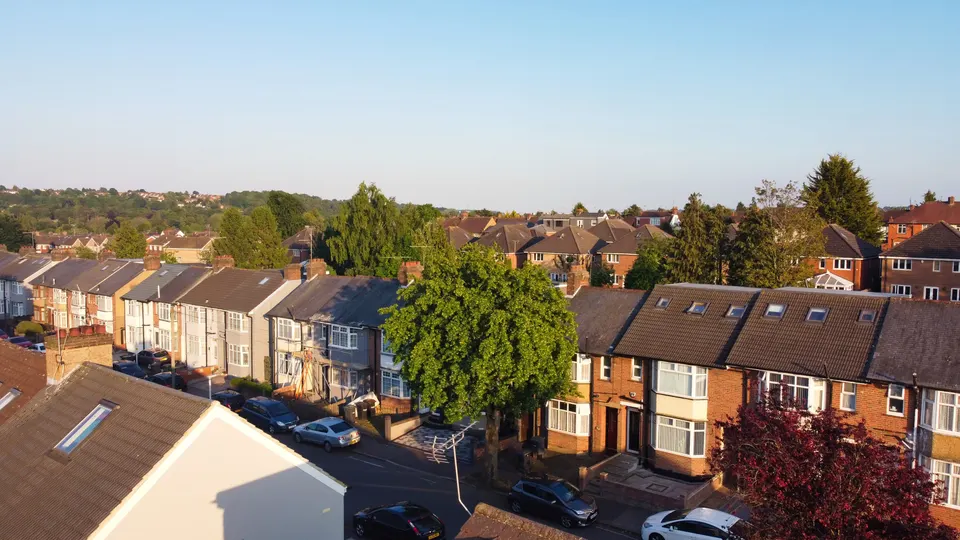
Conservation areas published by Westminster City Council. Source: planning.data.gov.uk
04Advice before you buy or design
Why a map check comes first
Your rights to build without applying depend on the address. On land such as a conservation area, side extensions and cladding are not permitted development, and a roof enlargement is not allowed at all. An Article 4 direction can remove other rights on a street by street basis, and a condition on an old permission can remove more.
So the answer to whether you need planning permission is often in a map, not a rule book. A written report fixes it, with the date and the source, which is worth having when a lender, a buyer or a neighbour later asks.
05Advice before you buy or design
How dense London's constraints are
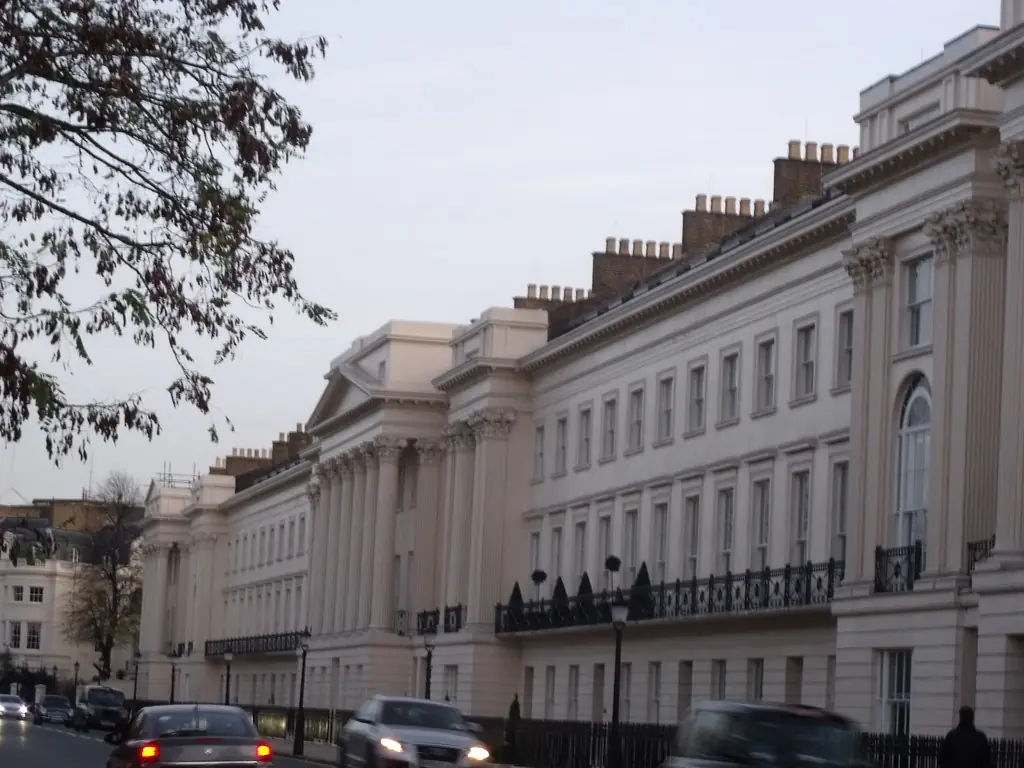
In Westminster, the council publishes 56 conservation areas, and the national heritage list has 4,015 entries inside the borough. Kensington and Chelsea has 39 conservation areas, and 84 Article 4 directions in the council's own data. Camden has 40 conservation areas and 21 Article 4 directions.
Those counts are why a house in these boroughs is more likely than not to be constrained. A report for a Hampstead or Belgravia address is rarely a blank page: it tells you which of the constraints bites and which does not.
06Advice before you buy or design
Not a survey of the building
The report is a desk and map check of the address, not an inspection of the building. It does not say whether a wall is sound or a roof can carry a loft; that is the work of a survey, and our pre-purchase planning report goes further into the planning history of a property you are about to buy.
When the report shows the route is clear we say so, and the next step is usually planning drawings or a certificate. When it shows a heritage constraint, the next step is often a heritage statement.
07The record
Figures that shape the job
56
Conservation areas published by Westminster City Council.
Source: planning.data.gov.uk, conservation areas dataset, checked 7 Oct 2026
4,015
Listed-building entries recorded within the boundary of Westminster.
Source: planning.data.gov.uk, listed buildings dataset, checked 17 Oct 2026
39
Conservation areas the Royal Borough of Kensington and Chelsea has designated.
Source: planning.data.gov.uk, conservation areas dataset, checked 7 Oct 2026
84
Article 4 directions published by Kensington and Chelsea.
Source: planning.data.gov.uk, Article 4 directions dataset, checked 17 Oct 2026
21
Article 4 directions published by Camden Council.
Source: planning.data.gov.uk, Article 4 directions dataset, checked 17 Oct 2026
No side
Inside a conservation area the side extension and cladding rights fall away.
Source: General Permitted Development Order 2015, Schedule 2, Part 1, paragraph A.2, checked 15 Oct 2026
Flats
A flat, or a house converted to flats, has no householder permitted development at all.
Source: General Permitted Development Order 2015, article 2, checked 15 Oct 2026
08Questions
What clients ask before they instruct us
Is the report different from your free check?
The free check is a conversation: we tell you what we find before we quote. The report is a written, dated document you can keep, forward or show a solicitor.
How is it credited?
If you instruct us on drawings, the £19 is taken off our fee. We state it on the quote so there is no need to claim it.
Can I order one for a house I am about to buy?
Yes, and that is a common use. For a fuller look at what the seller did and what the council allowed, see our pre-purchase planning report.
Does it tell me whether I will get permission?
No one can promise that. It tells you which constraints apply and which route fits, so you are not caught out by a rule that removes your rights.
How long does it take?
We tell you the date when you order. It is a desk and map check, so it is usually quick, and we say if the council's own records need chasing.
09Related
Related services and guides
Send us the address of your house.
We look up the conservation area, listing and Article 4 position, then reply with a fixed fee. A message before 3pm is answered the same working day.