

01Planning
Camden, Camden Council
Heritage statements for Camden's listed and local-list houses
Camden names four situations where a heritage statement must go in, and one of them is easy to miss: works to a building on the council's local list. We check your address against all four, then write the statement the way Camden's page asks for it, with the sources, the expertise and the steps taken to avoid harm set out. From £655, fixed before we start.
From £655
- MCIAT chartered architectural technologists
- £2m professional indemnity insurance
- LABC Partnered
- ICO registered
Our fee for heritage statement: from £655, no VAT to add. Covered in full, with its own guide and fee, at fixedfeeplans.co.uk.
02The fee
One fixed fee, published
What you get
- A check of your address against Camden's four triggers, local list included
- The list entry or conservation area appraisal for your address, read in full
- Significance, justification and impact written under the headings Camden lists
- A note of the sources and expertise used, which Camden asks every statement to show
- Photographs and cross-references to the scale drawings
- Free amendments if the case officer wants the statement revised before approval
The council's own fees for planning permission or listed building consent are paid to Camden and are separate from our fee.
03How it runs
The four Camden triggers
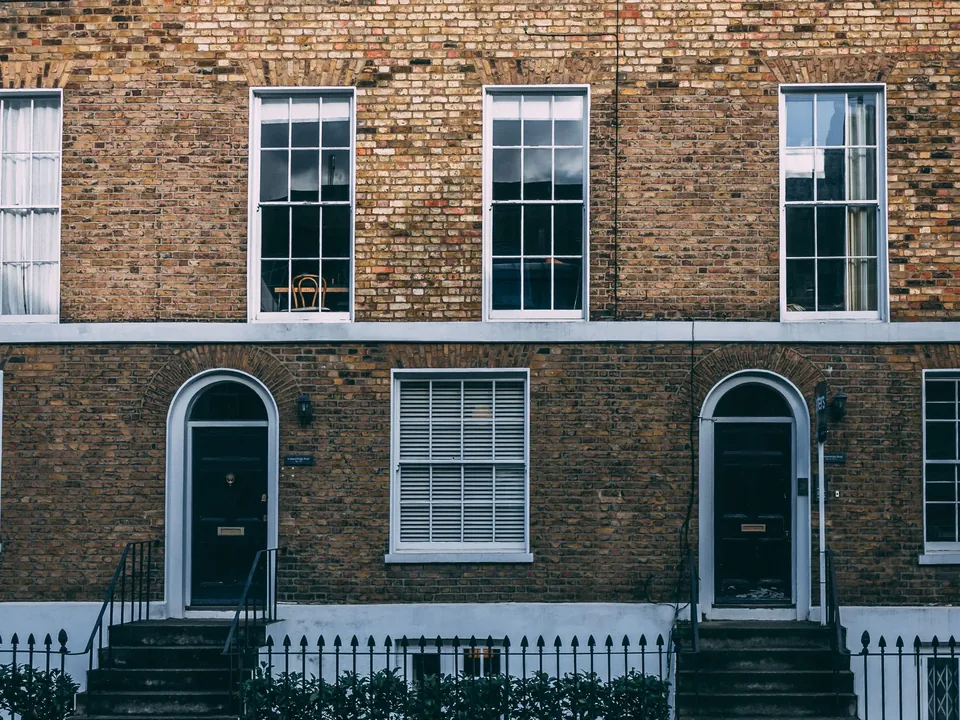
40
Conservation areas the national planning data lists for Camden Council. Source: planning.data.gov.uk
04Planning
Four triggers, and the one people miss
Camden's heritage statements page says a statement should accompany applications for substantial or total demolition of a building in a conservation area, works to buildings on the local list, works affecting the setting of a listed building or conservation area, and all listed building applications.
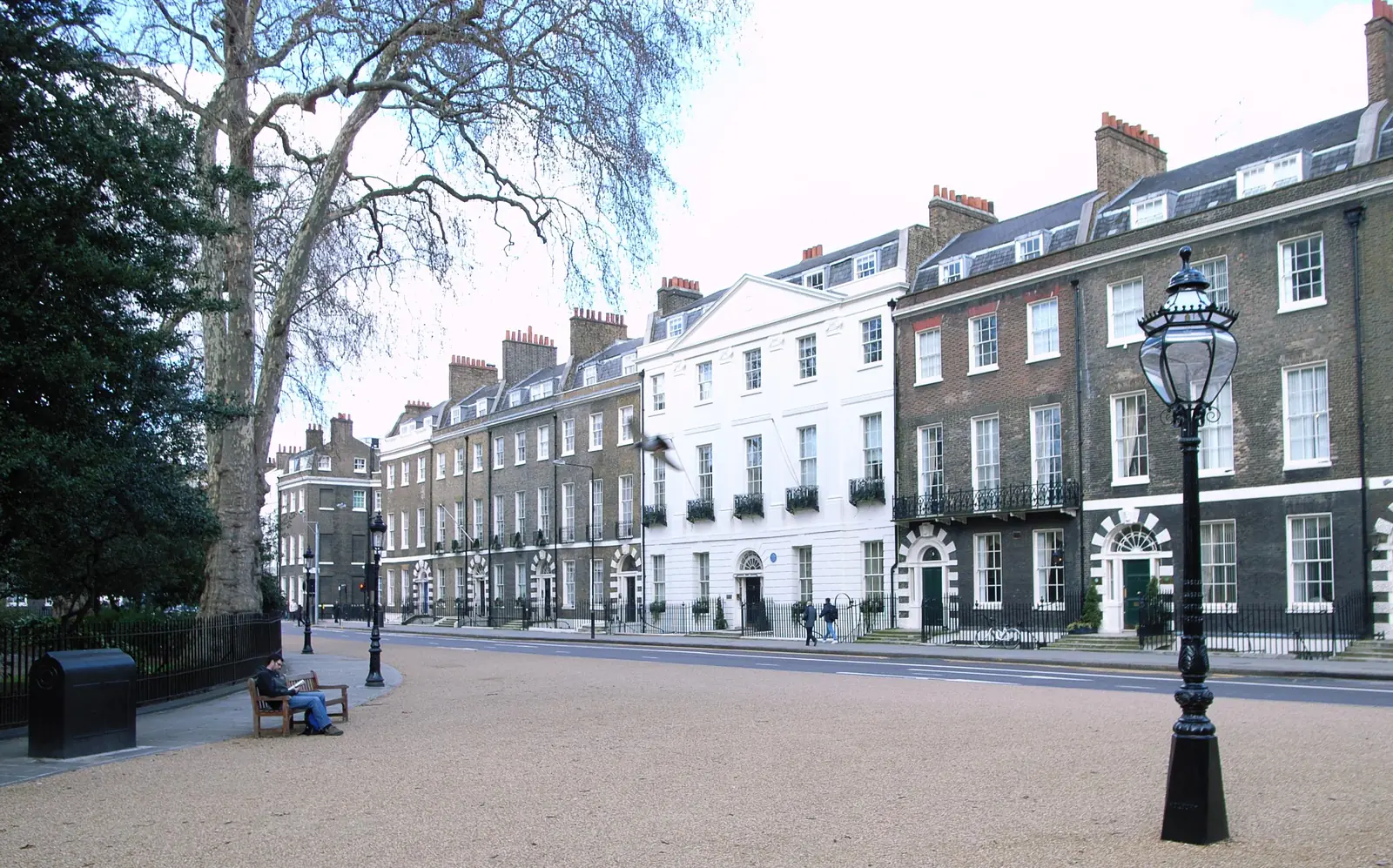
The local list is the easy one to overlook. These are buildings the council has marked as heritage assets without a national listing, so there is no Historic England entry to find. We search the council's list for your address and tell you before you commit to drawings.
05Planning
What Camden wants the statement to show
The page asks for the significance of the asset including what its setting contributes, the principles of and justification for the works, and the impact on significance, including whether the works cause substantial harm or total loss. It also wants the statement to explain which sources were considered, which expertise was consulted and what was done to avoid or reduce harm.
That last group is where weaker statements fall short. We list the sources by name, so the officer can see the list entry, the appraisal and the site visit were each used, and we write the avoidance steps as design decisions, for example why a rear dormer is set back from the party wall.
06Planning
Inside the design and access statement, or on its own
Camden lets the heritage information sit in the design and access statement, where one is required, as part of the design concept. Where no design and access statement is needed, it asks for a separate written statement that cross-references the scale drawings.
For a house in Hampstead or Belsize Park that is usually a short stand-alone statement. For a larger scheme near a listed terrace we write it as a section of the design and access statement, so the officer reads one document, not two.
Camden's page also points to Local Plan policies D1 and D2 and to its Planning Guidance on Design. We cite the policy text that applies on the filing date rather than copying numbers from older guidance.
07Planning
A borough with 40 conservation areas
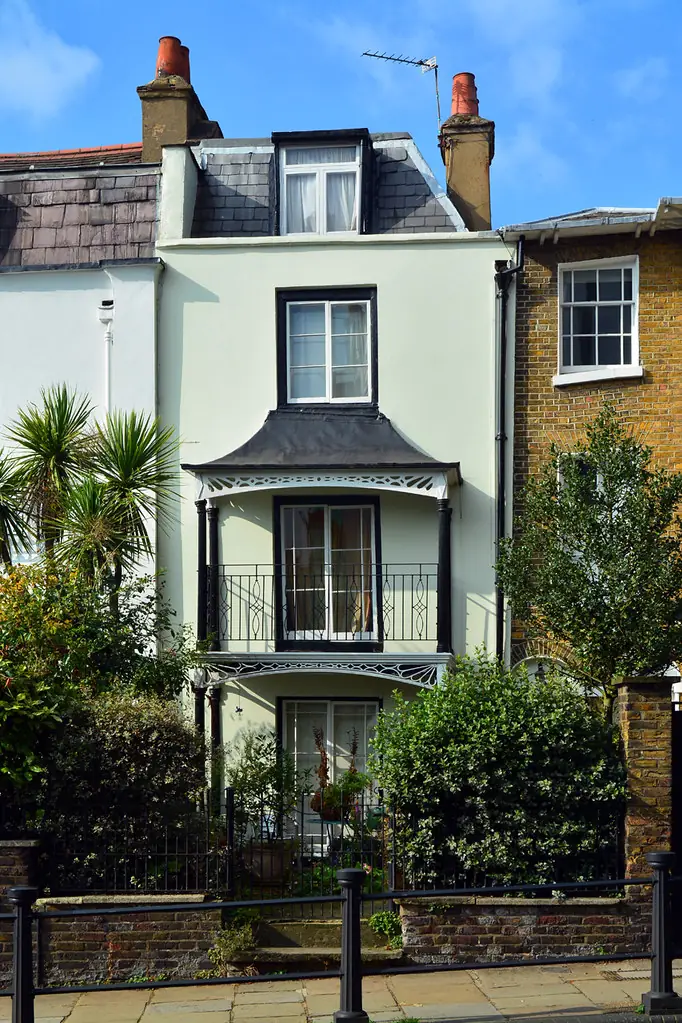
The national planning data lists 40 conservation areas and 1,971 list entries in Camden, from the Georgian streets of Bloomsbury to the villas of Hampstead and the colour-washed terraces of Kentish Town. An extension that looks routine on the drawing is often a setting question on the ground, which is why the free constraints check comes first.
08The record
Figures that shape the job
40
Conservation areas the national planning data lists for Camden Council.
Source: planning.data.gov.uk, conservation-area dataset, checked 25 Oct 2026
1,971
Historic England list entries inside the Camden planning boundary.
Source: planning.data.gov.uk, listed-building dataset, checked 25 Oct 2026
4
Situations in which Camden says a heritage statement should accompany an application: demolition in a conservation area, local list works, setting, and all listed building applications.
Source: Camden Council, Heritage statements in planning applications, checked 25 Oct 2026
D1, D2
The Local Plan policies Camden's page points applicants to for design and heritage.
Source: Camden Council, Heritage statements in planning applications, checked 25 Oct 2026
s.72
The statutory test a Camden officer applies to any scheme inside a conservation area: special attention to its character and appearance.
Source: Planning (Listed Buildings and Conservation Areas) Act 1990, section 72, checked 25 Oct 2026
s.66
The statutory test for a listed Camden house: special regard to the building, its setting and any features of special interest.
Source: Planning (Listed Buildings and Conservation Areas) Act 1990, section 66, checked 25 Oct 2026
HE6
National policy gives substantial weight to the conservation of a designated asset; the more important the asset, the greater the weight.
Source: National Planning Policy Framework, chapter 20, checked 25 Oct 2026
09Questions
What clients ask before they instruct us
Does Camden require a heritage statement for a rear extension in a conservation area?
The council's page lists four triggers and a plain rear extension on an unlisted house in a conservation area is not named among them. It is named when the works affect the setting of a listed building or a conservation area, and officers may ask at validation. We read your case against the page and tell you before you pay for drawings.
What is Camden's local list?
It is the council's own register of buildings it treats as heritage assets without national listing. Works to one trigger a heritage statement. We check your address against it as part of the constraints check.
Can the statement be part of the design and access statement?
Yes, where a design and access statement is required, Camden accepts the heritage information as part of it. Where one is not required, a separate statement is needed, cross-referenced to the scale drawings.
What happens if the works cause substantial harm?
Camden says a method statement and justification in line with national policy must then be provided. That is a larger piece of work and we quote it separately once we have seen the scheme.
10Boroughs
The same service in other boroughs
11Related
Related services and guides
Send us the address of your house.
We look up the conservation area, listing and Article 4 position, then reply with a fixed fee. A message before 3pm is answered the same working day.