What the fee covers
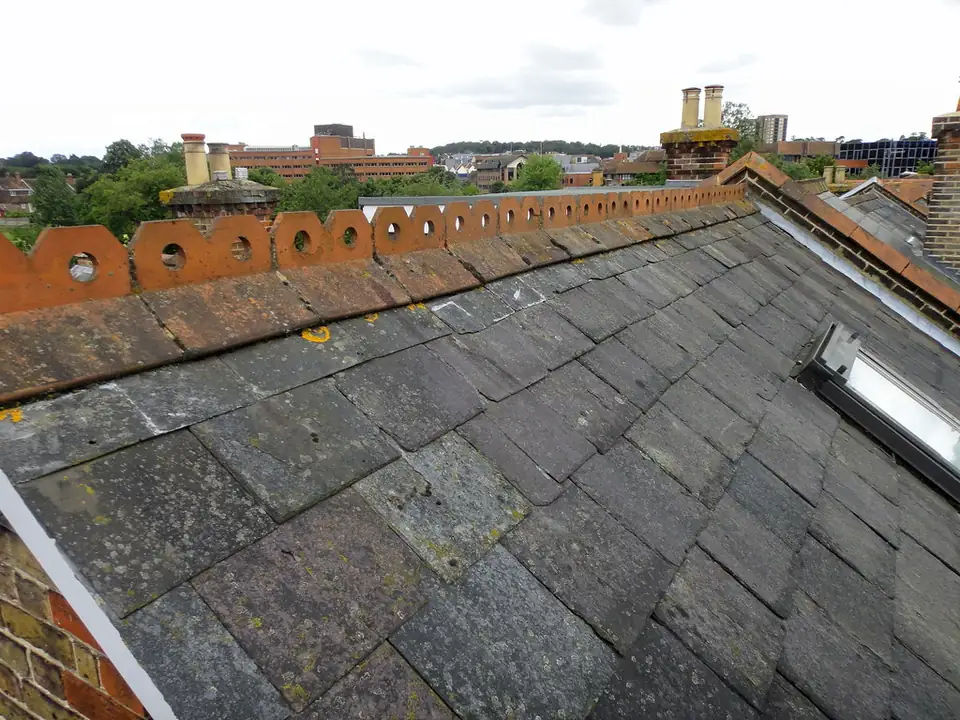
Our survey starts at £545. We search records of bats near your site, inspect the roof and loft for signs of use, and write a finding: no evidence, evidence of use, or a need for further surveys. The report comes in the form a council expects.
If the finding calls for emergence and re-entry surveys, we carry them out in the right season and quote them in writing before you commit. If a mitigation licence is required, that comes as its own step.
When a survey is needed
Government guidance says a survey is needed where distribution and historical records suggest bats may be present. Roof work is the usual trigger: a loft conversion, a mansard, a new dormer or removing roof tiles on an older house.
We look at the records for your street before we quote, so you know early whether a survey is likely.
Why timing matters
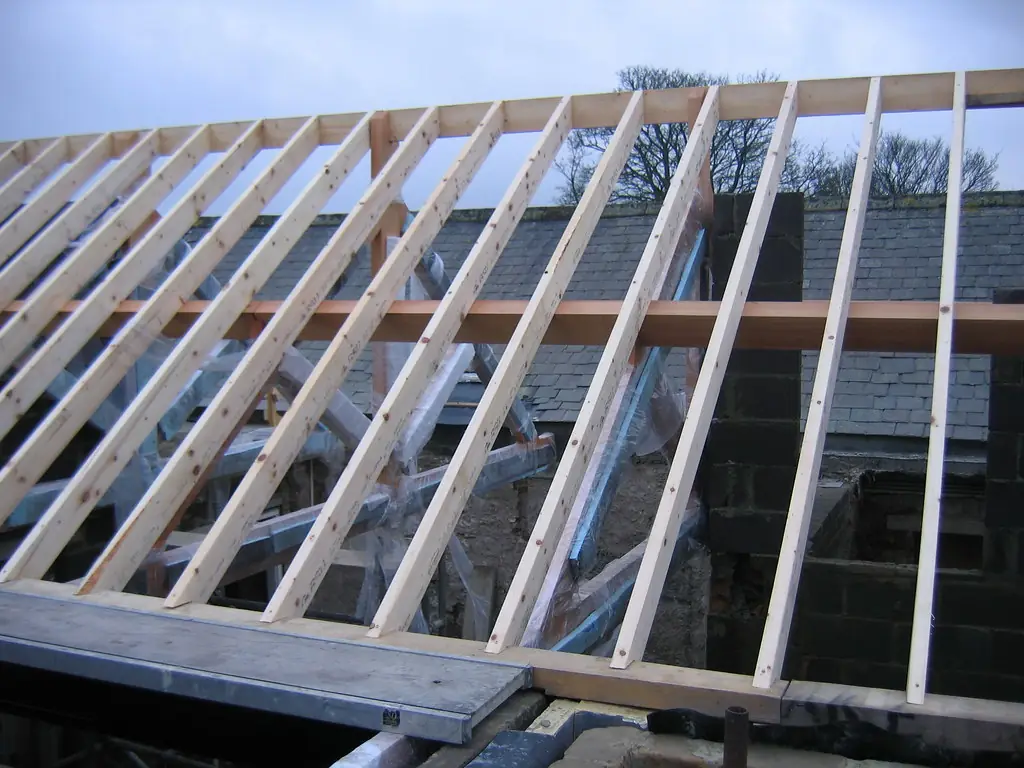
The guidance says surveys must be carried out in the most recent appropriate season. A finding that further surveys are needed can therefore push a project back by months, not weeks. If you plan a roof extension, book the inspection early, before the builder's start date is fixed.
The council also looks ahead: before granting permission it must be confident that Natural England will issue a licence if one is needed. A good report answers that question.
The law
Under regulation 43 of the Conservation of Habitats and Species Regulations 2017, damaging or destroying a breeding site or resting place of a European protected species is an offence. On summary conviction the penalty is up to six months in prison, a fine or both.
Three routes to a licence are named in the guidance: a mitigation licence, a class licence and the Bat Earned Recognition scheme. Which fits depends on what the survey finds. Our bat survey page lists the stages.
Booking
Send the address and a note of the roof work. We check the records, confirm the fee and book the inspection.
The figures, with sources
Records
Local distribution and historical records can show that bats may be present, and then a survey is needed.
Source: GOV.UK, Bats: surveys and mitigation for development projects, checked 25 Oct 2026
Season
The survey has to fall in the latest suitable season for the work.
Source: GOV.UK, Bats: surveys and mitigation for development projects, checked 25 Oct 2026
Licence
Before granting permission the council must be confident that a licence would be issued if one is needed.
Source: GOV.UK, Bats: surveys and mitigation for development projects, checked 25 Oct 2026
3 routes
Licence routes named are a mitigation licence, the class licence and the Bat Earned Recognition scheme.
Source: GOV.UK, Bats: surveys and mitigation for development projects, checked 25 Oct 2026
Reg. 43
It is an offence to damage or destroy a breeding site or resting place used by a European protected species.
Source: Conservation of Habitats and Species Regulations 2017, regulation 43, checked 25 Oct 2026
6 months
Longest prison term on summary conviction for these offences, with or instead of a fine.
Source: Conservation of Habitats and Species Regulations 2017, regulation 43, checked 25 Oct 2026
Questions
Does every roof project need a bat survey?
No. It depends on the building, the work and the records near it. We check these first and tell you.
What if bats are found?
We advise on avoiding harm through the design and the programme, and on whether a licence is needed. Further surveys and licences are quoted separately.
When can the survey be done?
Ask us when you book. Emergence and re-entry surveys, if the finding calls for them, must be done in the right season.
Will the council ask for the report?
Often, where the records or the building suggest bats. We write it in the form councils expect.
The fee for bat survey
What you get
- A desk study of bat records near your site
- An inspection of the roof and loft
- A written finding on evidence of use
- Advice on avoiding harm in design and programme
- The report in the form the council expects